京都是日本首都,擁有17 個聯合國教科文組織世界遺產。
1000 years of historical temples, traditional Japanese culture, cultural change… … The real idea is the real Japan, the capital city of Tokyo.
京都是日本首都,擁有17 個聯合國教科文組織世界遺產。
1000 years of historical temples, traditional Japanese culture, cultural change… … The real idea is the real Japan, the capital city of Tokyo.
Kiyomizu-dera, Gion Street, Geisha culture experience
The main hall, supported by wooden pillars on a cliff, is famous. Panoramic view of Kyoto city. Legend has it that your wish will come true if you drink water from Otowa Falls. UNESCO World Heritage.
An alley with traditional stone steps leading to Kiyomizu-dera. There are many wooden shops, tea houses, and souvenir shops. A traditional Japanese atmosphere. Starbucks is also in a traditional house style!
Kyoto-style udon specialty restaurant. A style of eating thick noodles dipped in sesame sauce. Served with seasonal vegetables. A Michelin Bib Gourmand selected restaurant.
A shrine dedicated to the guardian deity of Gion. The scarlet door is the photo zone. The center of the Gion Festival (July). A beautiful garden in all four seasons.
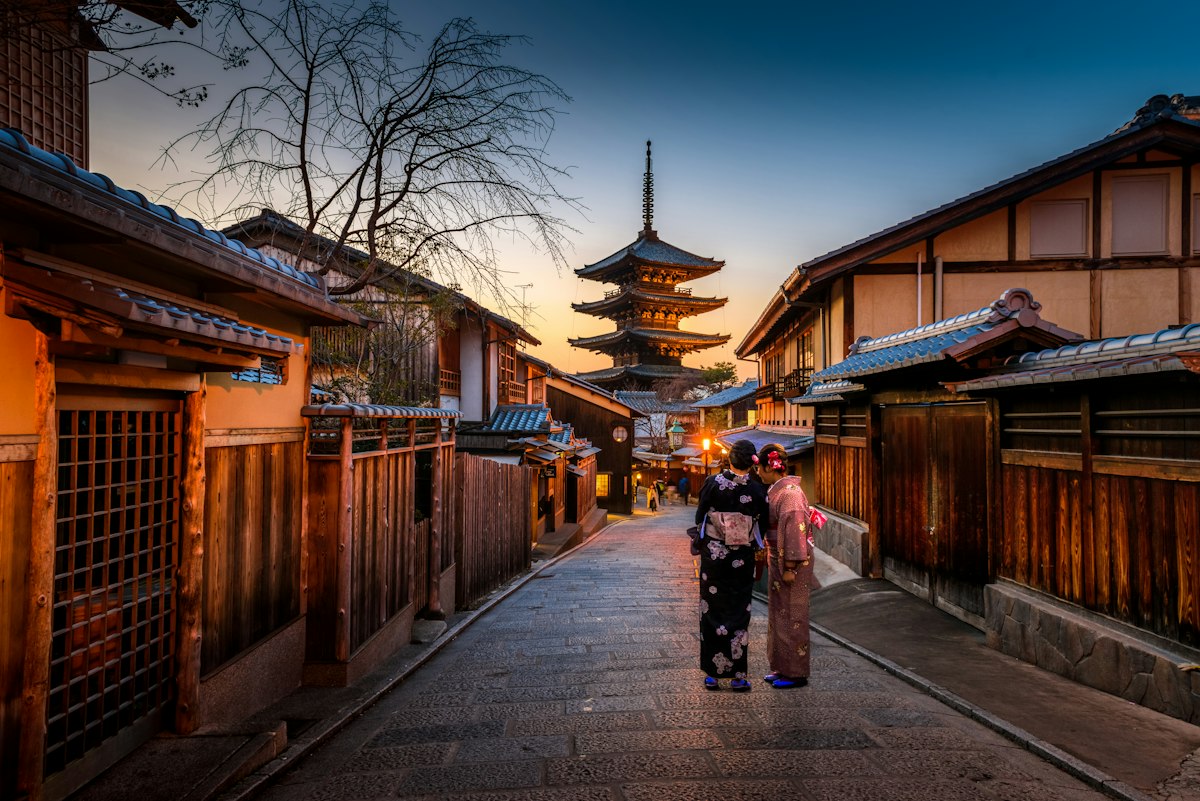
A traditional entertainment district where you can meet geisha (geiko). There are rows of wooden teahouses (ochaya). You can see the geisha going to work during the evening hours. Be mindful of manners when taking photos!
Kyoto traditional kaiseki cuisine. Art-like multi-course meal made with seasonal ingredients. A simple meal in a ryokan atmosphere.
If you go to Kiyomizu-dera early in the morning (opens at 6 o'clock), you can take pictures without the crowds. In the evening, the probability of sighting a geisha is high in Gion.
Kinkakuji Temple, Ryoanji Temple, Arashiyama Bamboo Forest
A green tunnel made of bamboo that covered the sky. Filming location for the movie “Memoirs of a Geisha.” The sound of bamboo rustling in the wind is healing. Kyoto's best photo opportunity.
Arashiyama's representative Zen temple. UNESCO World Heritage. Sogenchi Garden is Japan's first historic scenic spot. The scenery reflected in the pond is like a painting.
A soba restaurant in front of Togetsukyo Bridge. Dine while enjoying the river view from a window seat. Handmade soba and tempura sets are popular.
The scene where the three-story pavilion covered in gold leaf is reflected in the pond is symbolic. Built by Ashikaga Yoshimitsu as a villa. It's beautiful all year round, but it's best on snowy days.
The world's most famous Zen garden (Karesansui). The stone pavilion with 15 stones is designed so that no one is visible no matter where you look. A good place to meditate.
Kyoto kitchen. A food market with 400 years of history. A food paradise with yuba (tofu skin), kyo vegetable pickles, takoyaki, and grilled fish. Tasting and shopping.
It is best to go to Arashiyama in the morning to take pictures in the bamboo forest. Crowds of tourists in the afternoon.
A Thousand Torii Gates, Kyoto Station Shopping
A spectacular sight with a thousand vermilion torii gates covering the mountain. A shrine dedicated to Inari, the god of business. It's a 2-3 hour round trip to the top, but it's still beautiful enough to get to the halfway point.
Inari sushi shops along the Fushimi Inari approach. The origin of tofu sushi. It is a specialty here because it is the fox god’s favorite food.
Kyoto Station is a shopping mall itself. Isetan Department Store, Porta Underground Shopping Mall, Kyoto Tower, etc. You can shop Kyoto-exclusive sweets, matcha sweets.
Fushimi Inari is open 24 hours a day. If you go early in the morning, there will be no crowds and a mysterious atmosphere.